Fashion Modeling Font: Crafting Authentic Brand Identities
In the crowded landscape of modern typography, finding a typeface that feels genuinely human can be a challenge. We often look for digital precision, but there is a growing demand for organic warmth in design assets. This is where a well-crafted script font becomes invaluable. It bridges the gap between professional polish and personal touch, allowing brands to connect with audiences on an emotional level rather than just a visual one.
The Visual Personality of a Handwritten Typeface
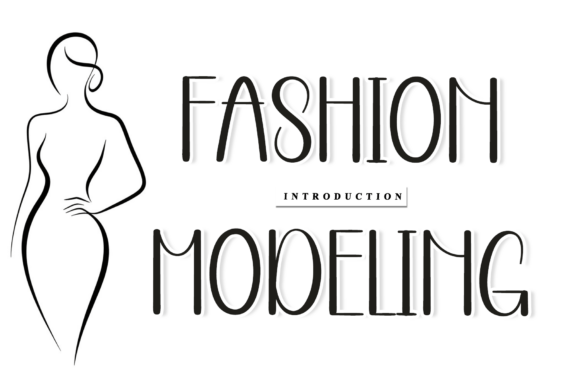
Fashion Modeling is a premium font that captures the essence of elegant, fluid handwriting. It is not merely a collection of letters; it is a stylistic statement. The typeface features distinct, flowing strokes that mimic the movement of a brush or ink pen. Unlike rigid sans serif fonts or traditional serif fonts, this handwritten font offers a sense of movement and life. The characters often include stylistic swashes and ligatures, which are essential tools for designers looking to create custom-looking logos without the cost of bespoke lettering.
The visual characteristics of Fashion Modeling lean towards sophistication and romance. It avoids the chaotic look of casual scratch writing, instead offering a refined elegance. This makes it a versatile choice for projects that need to feel high-end yet approachable. The "personality" of the font is confident and artistic, making it an ideal candidate for display font usage where the text needs to make an immediate impact.
Strategic Applications in Branding and Design
Understanding where to use a creative font like Fashion Modeling is just as important as liking how it looks. Because it is a display font, it excels in environments where brevity and impact are key. It is rarely the right choice for long-form body text, but it shines in headlines and focal points.
For entrepreneurs and small business owners, this font is a powerful tool for logo design. A logo sets the tone for the entire brand identity. Using Fashion Modeling for a beauty salon, a boutique clothing line, or a wedding planning service immediately signals style and attention to detail. It works beautifully for packaging design as well. Imagine a candle label or a cosmetic box; the handwritten style adds a layer of artisanal quality that consumers often associate with premium products.
In the realm of editorial design and publishing, the font finds a home in magazine headers, pull quotes, and chapter titles. It breaks up the monotony of standard text, guiding the reader’s eye to specific areas. For social media graphics, where attention spans are short, Fashion Modeling helps create eye-catching quotes and announcements that stop the scroll. It provides a visual break from the standard geometric sans serif fonts that dominate the digital space.
Typography Fundamentals: Pairing and Hierarchy
One of the most critical skills in modern typography is the art of the font pairing. A script font, no matter how beautiful, can become illegible if used incorrectly. Fashion Modeling pairs best with clean, simple typefaces. A classic sans serif font like Montserrat, Helvetica, or Open Sans provides the perfect contrast. The clean lines of the sans serif ground the fluidity of the handwritten script, creating a balanced visual hierarchy.
When designing for web design, readability is paramount. Fashion Modeling should be reserved for large headers or accent text. If you use it for small navigation links or paragraph text, you risk frustrating your visitors. The goal is to use the font to establish the mood, then let a highly legible typeface handle the information delivery.
Consistency is another pillar of strong branding. When you integrate Fashion Modeling into your brand identity, ensure you use it consistently across all touchpoints. Whether it is a business card, a website banner, or an Instagram story, the repetition of this specific style builds recognition. It becomes a visual signature that your audience learns to associate with your business.
Practical Guide for Designers and Creators
Before integrating any new typeface into your workflow, a practical evaluation is necessary. Here is how to approach using Fashion Modeling in your next project:
- Evaluate the Context: Ask yourself if the project requires a formal or casual tone. Fashion Modeling fits best in contexts that value elegance, creativity, and personal connection. It is excellent for creative font applications but less suitable for technical manuals or legal documents.
- Test for Legibility: Always test the font at the size you intend to use it. Some handwritten fonts have lowercase letters that are difficult to distinguish at small sizes. Check the spacing between letters (kerning) to ensure words don’t blur together.
- Review Included Styles: A high-quality premium font often comes with more than just the standard alphabet. Check for alternate characters, swashes, and ligatures. These features allow you to customize the look of specific words, making your logo design or header unique. You can often access these through the Glyphs panel in Adobe Illustrator or Photoshop.
- Understand Licensing: If you are using this for a client project or merchandise, you need to ensure you have the correct commercial license. Most fonts come with different tiers depending on usage (e.g., desktop vs. web vs. app). Always verify the terms to avoid legal issues down the line.
Real-World Examples and Observations
Consider a scenario involving a small bakery rebranding their image. They want to move away from a generic look to something more homemade and high-quality. By choosing Fashion Modeling for their logo and menu headers, they instantly convey a "baked with love" aesthetic. The font does the heavy lifting of the marketing message before the customer even tastes the product.
Another example is a digital marketing agency creating a lead magnet PDF. While the body text should remain a clean serif or sans serif for easy reading on screens, using Fashion Modeling for the title page and section breaks adds a layer of professionalism and style. It transforms a standard document into a piece of design assets that reflects the agency's creative capabilities.
Ultimately, Fashion Modeling is more than just a set of letters; it is a tool for storytelling. In a digital world that can often feel cold and automated, bringing in elements of human touch through a handwritten font